

(C) Ross Cooper / Derbyshire Wildlife Trust
Derbyshire’s Wild Beaver Feasibility Assessment and Consultation
Beavers in Derbyshire
Derbyshire Wildlife Trust supports the restoration of beavers in Derbyshire. As a native species to Britain, they are part of our natural fauna and the wetlands they create play an important role in both contributing to biodiverse environments and supporting more resilient landscapes in response to climate change.
What is Derbyshire’s Wild Beaver Feasibility Assessment Initiative?
The Trust brought back beavers to Derbyshire through a release into an enclosure at Willington Wetlands in 2021. We are now working with multiple organisations and agencies across Derbyshire on the Beaver Feasibility Assessment Initiative, which is investigating the possibility of restoring beavers to the wild in the future.
To do this, we need to work collaboratively to understand the benefits and opportunities for Derbyshire, understand any concerns and challenges and consider how these could be sufficiently addressed to ensure a sustainable reintroduction for both people and nature.
Community Outreach and Consultation
For wild beaver reintroduction projects to be successful, it’s essential to work as a community to share questions, potential concerns and create solutions, so we understand what would be required to live alongside beavers. Between 2025-2026 we will be holding multiple consultation events, workshops and talks for the community to learn more about beavers, their impacts and management so we can understand Derbyshire’s readiness for wild beaver reintroductions.
For more information, please see below for upcoming events in the community and sign up to our beaver-specific mailing list below. If you would like a consultation event organised in your community, please get in touch.
Events
Check back here for events in your local area and email beavers@derbyshirewt.co.uk for event details.
Upcoming Events
Coming soon
Previous Events
- Environment groups event, Bakewell - 12/01/26
- Derbyshire Dales Goes Green, Wirksworth – Beaver talk delivered 16/08/25
Resources and Support
Explore further information about beaver activity, impacts, and management and provide access to feasibility assessments and reports as they become available.
If you would like more information, please contact us at beavers@derbyshirewt.co.uk
If you’d like to receive updates about this project and consultation events, click here to join our mailing list.
Explore our resources
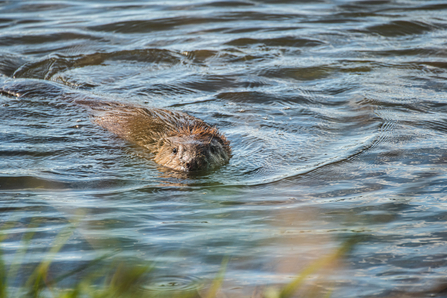
(C) Kayleigh Wright / Derbyshire Wildlife Trust
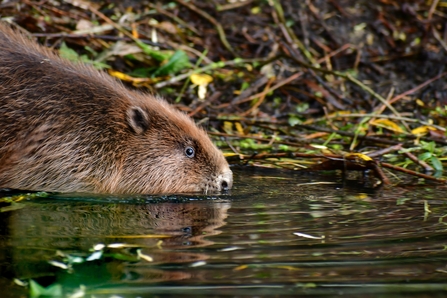
(C) Ross Cooper / Derbyshire Wildlife Trust
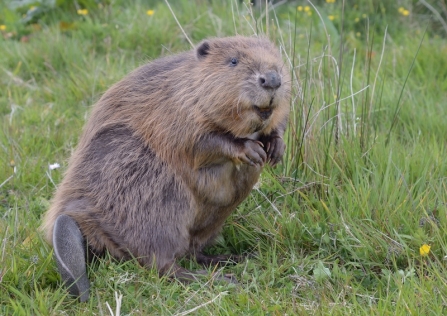
(C) Nick Upton/Cornwall Wildlife Trust
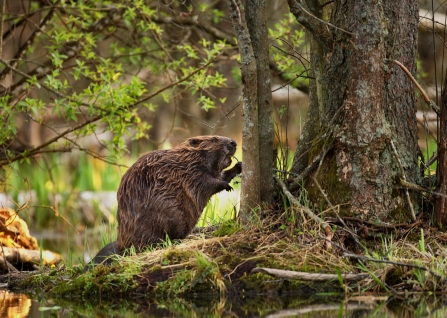
(C) Shutterstock
FAQs
What benefits do beavers bring?
- Reduced flood risk - Beaver activity helps to store water and ‘slow the flow’ leading to reduced flooding downstream during high rainfall events.
- Improved water quality - Beaver ponds and wetlands behind dams filter out sediment, pollutants and nutrients improving water quality downstream. They also act as carbon stores.
- Increased biodiversity - Beaver engineered wetlands are a perfect habitat for a variety of species such as water voles and birds including the willow tit.
- Resilience to drought - Beaver activity makes more space for water, and a wetter landscape helps to reduce the impact and severity of drought.
What do beavers eat?
Beavers are herbivores, which means they only eat plants and the bark, leaves and branches of trees. Their diet will vary with the seasons and depend on the feeding available. In the winter they feed on tree bark and branches - they particularly like willow, poplar, aspen and hazel. In the spring and summer, they also eat shoots, aquatic plants and other plants that grow on riverbanks such as brambles and ferns.
How do beavers interact with otters and water voles?
Beavers and otters live well together side-by-side. They are not in direct competition as beavers eat plants and otters eat fish. Otters benefit from beaver wetlands as beaver canals increase habitat and feeding opportunities. Water voles also coexist well with beavers. Beaver engineered wetlands create habitats along watercourses which provide water voles with safe burrowing locations offering refuge from predators.
How do beavers interact with dogs?
Beavers are not aggressive, but they are territorial, and like any other mammal, they will protect their young and themselves if they need to. Beavers are active from dusk to dawn, which means dog walkers are unlikely to encounter them during the day. It is good practice to keep dogs out of rivers to prevent disturbance to all wildlife and it’s advisable to keep dogs on leads when walking through a beaver area in spring or summer when kits (beaver young) are born and beavers are most active to prevent disturbance.
Won’t beavers have a negative impact on trees?
It is true that beavers eat the bark, leaves and branches from trees and use felled woody material for building dams and lodges (beaver homes). They can fell mature trees, however they generally feed on trees with a diameter of 10-15cm or smaller and usually forage within 20 metres of the water’s edge. Many of the species they feed on, including willow and hazel, have co-evolved with beavers and these trees, once coppiced by beavers, are able to resprout and grow back.
Beavers coppicing and felling trees produces lots of different habitats for many different species to thrive. Making space around rivers, and planting species such as willow, allows beavers to feed close to the water and reduces the impact of feeding further away from the water.
Trees that have a high personal, financial or environmental value, can be protected using welded wire mesh around the bottom of the trunk, or through exclusion fencing. It is important to ensure these meet beaver proofing specifications, more information can be found in Landowner Management guide.
Why do beavers build dams?
Beavers build dams from sticks, large stones and sediment. They do this when they need to raise the water level behind the dam to make it deep enough so the entrances to their lodges and burrows are safely out of sight from predators. Beavers don’t always create dams, and they can’t dam rivers when they are too wide, deep or fast-flowing.
Even a small beaver dam can help to slow the flow of water, helping to reduce flooding downstream and they also improve water quality by acting as a filter for pollution and sediment.
How much space do beavers need?
This will depend on the habitat quality and feeding opportunities. The average size of a beaver territory is approximately 3 km (along the water’s edge) but this will increase as foraging opportunities for beavers decrease. Only one beaver family will live in that area at a time. A beaver family usually comprises one adult breeding pair with young from the current and previous year’s litter.
Who makes the decision on whether beavers will be released in Derbyshire?
For beavers to be released into the wild in England, a licence application needs to be approved by the UK government. Where licences for beaver release are sought from Natural England, the policy requires that environmental and social benefits and concerns are identified and assessed and engagement and consultation with the community and land managers has been demonstrated.
Where might beavers be released in Derbyshire?
We are currently scoping for suitable locations for beaver releases. Community consultation will be essential to inform decisions around potential reintroduction projects.
If beavers were released into the wild, we can’t say with certainty where they would choose to go, but we do know that Derbyshire has a lot of good beaver habitat. By selecting release sites where we would have confidence they would likely stay, a founding population could be established.
What environmental or ecological studies need to be undertaken before a potential beaver release?
Potential beaver release sites in proximity to protected habitats, such as SSSIs, would undergo a habitat assessment to consider the possible impacts. The impacts may be positive, neutral or negative and will vary greatly depending on the site and species present. Habitat assessment will help to identify if any monitoring, mitigation or management might need to be considered prior to a beaver reintroduction.
Where can I see beavers in the wild in Britain?
The most established populations of wild beavers in Britain are on the River Tay in Scotland, The River Otter in Devon and River Stour in Kent.

(c) Kayleigh Wright / Derbyshire Wildlife Trust
Our Willington Beavers
Learn More
David Parkyn