White storks historic return to the Midlands takes flight in Derbyshire

White storks historic return to the Midlands takes flight in Derbyshire

White storks have returned to the Midlands for the first time in more than 600 years, marking a major milestone in an ambitious species recovery project at Willington Wetlands.

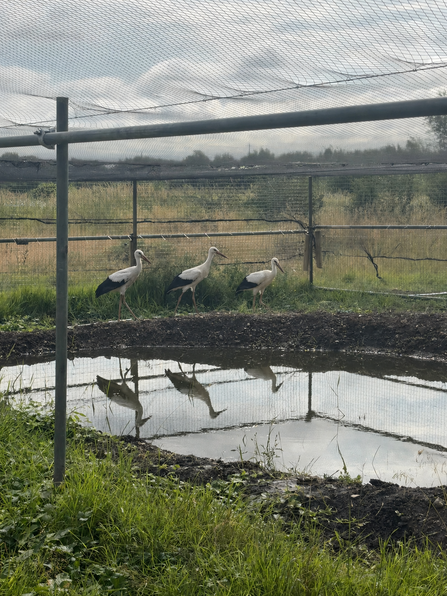
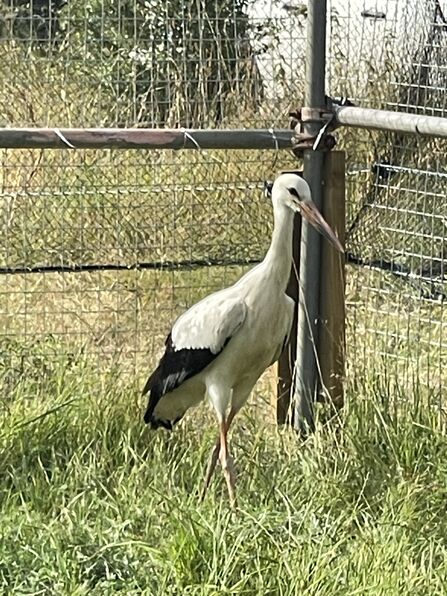
Three white storks have arrived at the Derbyshire Wildlife Trust site as part of plans to establish a healthy breeding population in the region. Their presence marks the first step towards restoring one of Britain’s most iconic bird species to the Midlands.

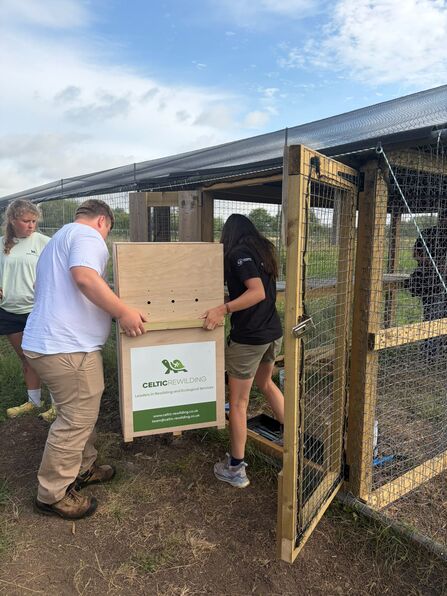
The birds have taken up residence in a newly completed purpose-built enclosure at Willington Wetlands, which is also home to Derbyshire’s first beavers in more than 800 years, alongside other wildlife benefiting from rewilding on site. It is hoped the storks will attract wild birds moving through the Trent Valley and encourage settlement and breeding.

3 storks

Supported by more than £300,000 from Veolia Environmental Trust through the Landfill Communities Fund, the enclosure has been specially designed to support breeding, chick development, and carefully managed soft releases into the wider landscape.

Built in consultation with Celtic Rewilding, specialists running a captive breeding facility in neighbouring Staffordshire, the predator-proof enclosure sits within a low-disturbance conservation area and has been designed to support future species recovery projects.

White storks would have been present across Derbyshire and the wider Midlands but disappeared around the 14th century due to habitat loss and hunting. Recent sightings have increased, including birds recorded flying over Willington Wetlands in 2024 and nearby in 2025, but none have yet stayed to breed.

Willington Wetlands has been identified as a critical stepping stone for stork recovery. The 113-acre site sits beside the River Trent, a key ecological corridor that hosts dynamic wetland habitat shaped by natural rewilding processes, including the activity of beavers. These processes are creating wet grassland, open pools and reedbeds that provide ideal foraging and nesting conditions for storks.  

The project will be community-led, with local volunteers supporting habitat restoration across the site. A new digital platform will also allow people to share sightings, photos, and videos, extending engagement to those unable to visit in person.

Katie Last, Living Landscape Officer at Derbyshire Wildlife Trust, said:

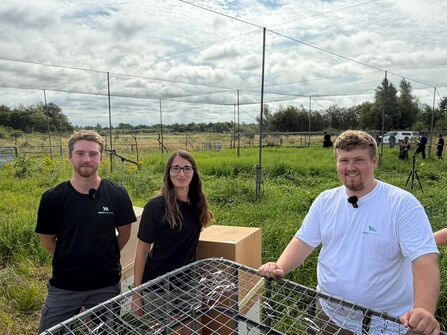
“We are thrilled to have welcomed our storks to Willington and to see them settling into their purpose-built enclosure. Their arrival marks an exciting step forward for the project.

“This whole project is about more than the return of an iconic bird though. It’s about reigniting people’s sense of wonder in nature and demonstrating what is possible when communities come together for wildlife.

“Their return offers a powerful opportunity to engage people in nature recovery, rewilding, and the restoration of lost species. Through events and volunteering, we will work closely with local communities to help people reconnect with wildlife and play an active role in the storks’ return.

“From this nature-rich enclosure to the possibility of a future wild population, every step will help strengthen wetland habitats, enhance biodiversity, and inspire people of all ages to reconnect with nature on their doorstep.”

Harvey Tweats, Director of Celtic Rewilding, added:

“This project offers a rare opportunity to facilitate the return of a key missing species. The Trent Valley is uniquely placed to support white stork recovery in the Midlands, combining extensive wetland habitats with restoration opportunities in former gravel pits. Historical evidence, including archaeological finds and place names around the Humber, also points to the species’ former presence.”

Follow Derbyshire Wildlife Social channels for further updates on the White Storks at Willington.