Every £1 invested in river restoration delivers over £7 in benefits, landmark analysis finds

Every £1 invested in river restoration delivers over £7 in benefits, landmark analysis finds

River Ecclesbourne restoration

Groundbreaking new river vision and economic analysis – based on the River Trent - provides a blueprint for reimagining England’s rivers at scale

Restoring rivers and wetlands in Derbyshire and beyond could deliver major benefits for wildlife, communities and the local economy, as new analysis reveals that every £1 invested in river restoration at scale could generate more than £7 in benefits.


A groundbreaking new vision for rivers in England, released today by The Wildlife Trusts, Trent Rivers Trust and Intact Insurance, uses the River Trent as a blueprint for reimagining England’s rivers at scale. The Rivers 2040 Vision maps and assesses how restoring the entirety of the River Trent - England’s longest river flowing from source to sea through Derbyshire and six other counties – could unlock significant economic, environmental and societal benefits. 


Across England, rivers are in dire health, with just 14% of rivers currently meeting ecological health standards. By reimagining how communities, businesses and land use can work together to bring the Trent back to health, the Vision demonstrates how whole river systems could be restored across the country.
 

In Derbyshire, nature-based solutions are already demonstrating what healthier rivers could look like across the Trent catchment and beyond. Derbyshire Wildlife Trust and partners restored a 400m section of the River Ecclesbourne, bypassing a man-made weir and reopening more than 28km of river and tributaries to fish migration. The project has helped create the conditions for Atlantic salmon to return to parts of the Ecclesbourne after more than 100 years.

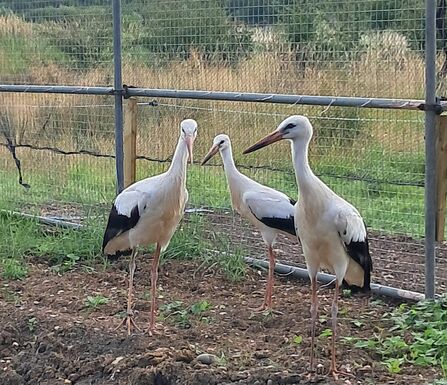
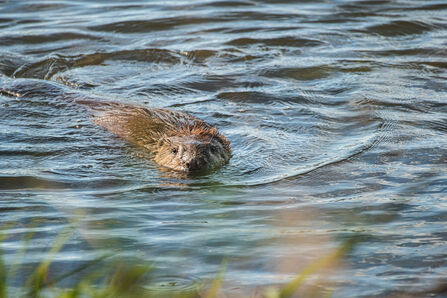
At Willington Wetlands, the reintroduction of Eurasian beavers in 2021 has transformed the landscape by creating ponds, channels and wetter habitats, benefiting a wide range of wildlife and helping pave the way for white storks to return to nest in the Midlands after an absence of more than 600 years. By slowing the flow of water and helping to retain it in the landscape, beaver activity can also increase resilience to drought, demonstrating the wider benefits that nature-based solutions can provide.

The Trust is working with farmers and landowners to restore rivers and reduce flood risk across the Trent catchment. One family in Repton has worked with the Trust to restore land alongside a brook feeding into the River Trent. A riparian buffer strip of up to 6 metres, shallow scrapes and a staggered hedgerow have been created to help retain water, provide habitat for wildlife and support the family’s agricultural aims. 

River Ecclesbourne new river channel looking downstream from the ford

River Ecclesbourne restoration

Speaking about what the Vision means for Derbyshire, Rachel Bennett, Director of Wilder Landscapes and Wilder Communities at Derbyshire Wildlife Trust, said:

“Our river and wetland restoration work in Derbyshire at projects like Willington Wetlands and the River Ecclesbourne have shown what is possible when nature is placed at the heart of plans to restore waterways. 

“Beavers, white storks and Atlantic salmon are part of a much bigger story about restoring our rivers so they can support wildlife, help communities become more resilient to climate change and provide benefits for people and the economy. 

“We are excited to be part of Rivers 2040, to build on this kind of successful nature recovery work and see how nature-based solutions can be scaled up to create healthier, more connected rivers and landscapes.” 

Ahead of expected Government reforms to the water system in England, and as drought, flooding, pollution and unequal access to nature intensify, the Vision includes first-of-its-kind economic analysis. The findings reveal a substantial potential return from restoring the Trent; an estimated investment of £43 million a year over the next 30 years could generate approximately £10 billion in economic benefits, with every £1 invested in nature-led river restoration potentially delivering more than £7 in benefits.

Yet, while the economic benefits of nature-led river restoration are staggering, current efforts remain fragmented and underfunded. Instead, three key areas of change are needed to restore and recover the health of England’s rivers: 

  • Deploying nature-based solutions at scale; 
  • Growing local control of water; 
  • And a long-term water strategy that recognises nature as critical infrastructure.

Dr Rob Stoneman, director of landscape recovery at The Wildlife Trusts, says:

“From scandalous pollution to increasing flood risk, we know that people right across the country care deeply about the health of our waterways and want to see an end to the cocktail of threats facing them. The scale of the challenge is huge, but our new vision for rivers is a call to arms; there is an enormous prize to be won if we get this right. 

“As our mapping of the River Trent proves, we must work together across whole catchments – and the communities, businesses and local authorities within them – to embed nature-based solutions into the heart of river restoration efforts. Only then, with national and regional policy recognising that nature is necessary to the health of our waterways, can investment in river recovery truly deliver greater climate resilience, local prosperity and bring wildlife back to our waterways.”

The vision shows how, across Derbyshire and the Trent’s 350km of catchments, floodplains and riverbanks, the benefits of nature-led restoration are real; from carbon sequestration and natural flood management to cleaner water, green job creation, and improved recreation and health outcomes.

Chris Reid, deputy senior vice president at Intact Insurance, says:

“As extreme weather becomes more frequent, we need to think differently about how we protect our communities. Restoring rivers, floodplains and wetlands can help manage water, reduce flood risk and make the places where people live and do business more resilient.”

“The Rivers 2040 Vision shows what is possible when we restore and protect nature at scale. By working with The Wildlife Trusts, we are helping to create healthier rivers that are better able to adapt to a changing climate and build more resilient communities.”

The Rivers 2040 Vision is released alongside A River Speaks, a new film voiced by Line of Duty actor Vicky McClure, which follows the River Trent from source to sea. Premiering at the Blue Earth Summit on Wednesday 14th October, the film showcases the conservationists, farmers, schoolchildren and communities working to restore and reconnect people to the Trent. 

Tune in for the premiere of A River Speaks on YouTube here.

Read The Rivers 2040 Vision here